


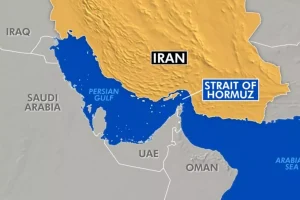
Rising tensions in the Persian Gulf have triggered significant volatility in global markets. Beyond rising energy prices, international companies are facing growing legal, compliance, and structural risks that may affect contractual stability and financial flows.
1. Strait of Hormuz Disruptions
The Strait of Hormuz handles roughly 20% of global oil exports and a major share of LNG shipments. Any restriction in this corridor immediately impacts shipping costs, insurance premiums, and supply chains worldwide.
Business implications include:
• delayed raw material deliveries;
• increased freight and insurance costs;
• higher production expenses.
2. Force Majeure and Contractual Risk
Legal teams are assessing whether current developments qualify as force majeure events. Military escalation, port closures, and government restrictions may justify temporary suspension of contractual obligations.
Companies are advised to:
• review international contracts;
• examine force majeure and hardship clauses;
• assess exposure to penalties;
• initiate renegotiations where necessary.
3. Sanctions and Banking Compliance
Stricter sanctions and regulatory scrutiny are expected. Financial institutions are applying Enhanced Due Diligence to transactions linked to the region.
Potential consequences:
• delayed settlements;
• frozen funds;
• additional documentation requirements.
Even indirect exposure to counterparties in the region may trigger compliance reviews.
4. Energy Shock and Market Volatility
Brent crude has risen to $82.37 (+13%), with projections of $100–120 under prolonged instability. Gold has reached a historic $5,278 per ounce, signaling investor flight to safe-haven assets.
Possible macroeconomic outcomes:
• inflationary pressure;
• tighter credit conditions;
• currency volatility.
Companies should reassess hedging strategies and liquidity planning.
5. Tax Residency and Corporate Governance
Operational disruption may affect physical management of companies, potentially challenging tax residency and substance compliance.
Some jurisdictions may introduce:
• capital controls;
• currency restrictions;
• temporary regulatory measures.
Outlook
The coming weeks are expected to remain highly uncertain. Businesses should activate continuity plans, reassess contractual resilience, and diversify operational and financial structures.